
Monte Verità and the Human-Centric Future of XR
Published:
Just wrapped up AlpCHI 2026, and I’ve been reflecting deeply on the experience.
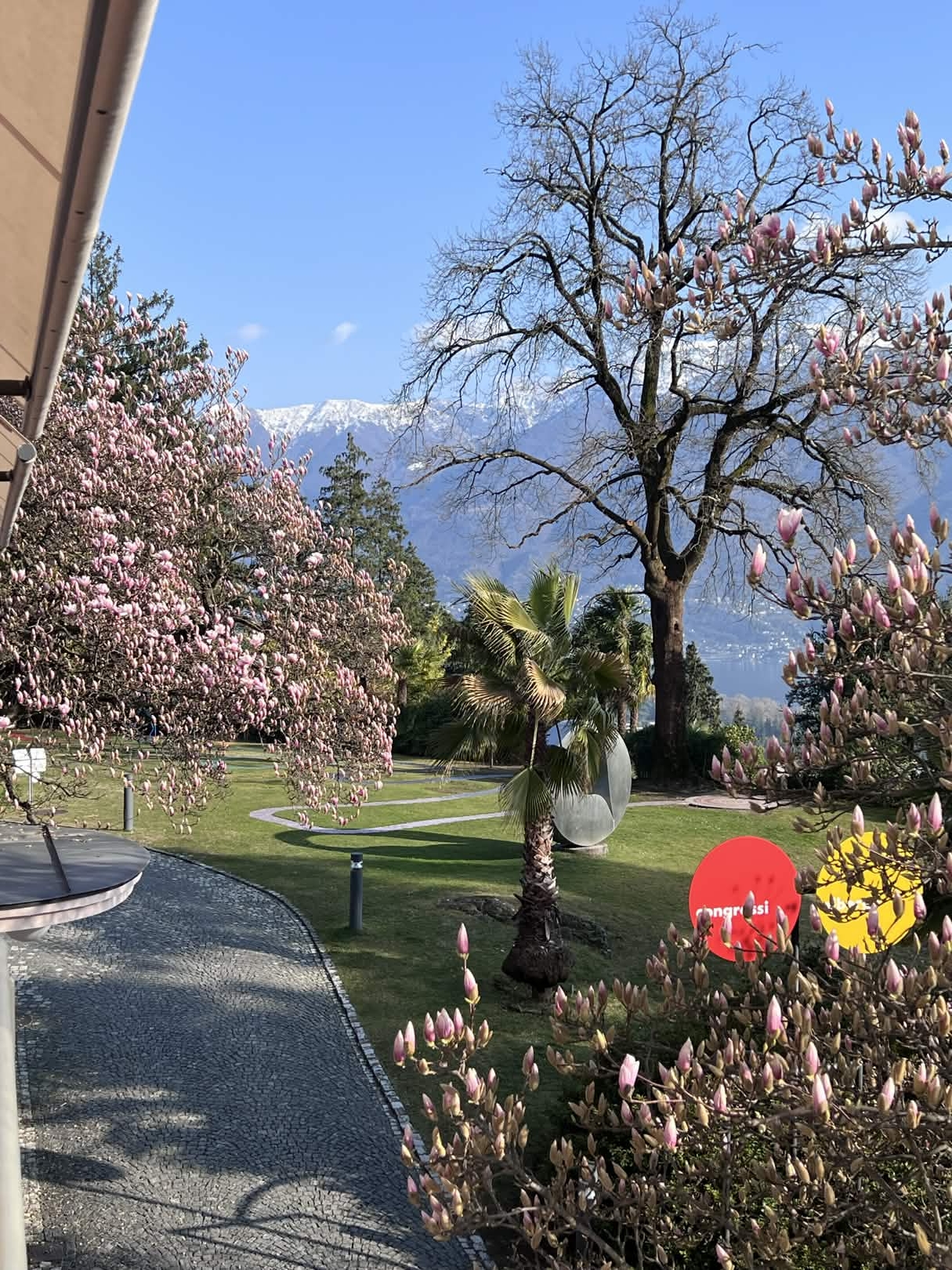
Monte Verità in spring light—already a reminder that place matters.
I feel that many missed the profound intent behind the organizers’ choice. Monte Verità (MV) isn’t just an old venue; it is a visionary and highly metaphorical location, especially for those of us working at the intersection of HCI and XR.
Here is why this location was actually a stroke of genius:
The Original “Alternative Reality”
Over a century ago, a group of pioneers fled the smog, machinery, and relentless materialism of the early industrial age. They retreated to this exact hill in Ascona to build a utopian “Alternative Reality.” They sought a space free from societal norms.
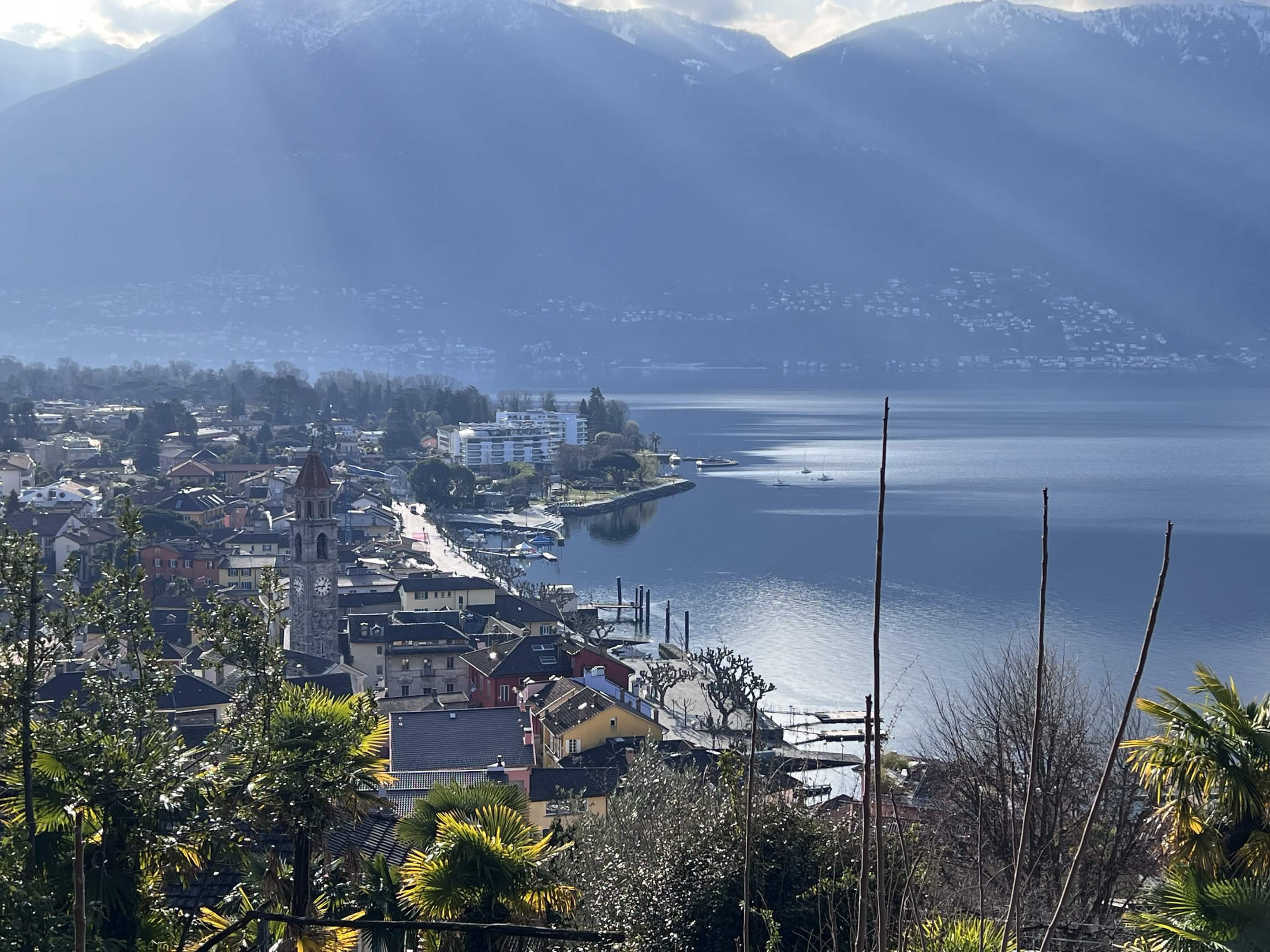
Looking out over Ascona from the hillside, it becomes easier to understand why Monte Verità carried such symbolic power.
Today, we are trying to achieve the exact same thing through technology. We are building Extended Realities (XR). Imagine recreating a “Digital Monte Verità” in XR—a sanctuary where people can descend as avatars, shed the moral and physical constraints of physical society, and explore entirely new ways of being.
A Humanist Rebellion Against Alienation
The early MV movement was a radical humanist reaction. When society develops too rapidly and humans become alienated by their own tools, people rebel—often through extreme forms of social performance.
We are standing at a shockingly similar crossroads today with the rapid dawn of Generative AI.
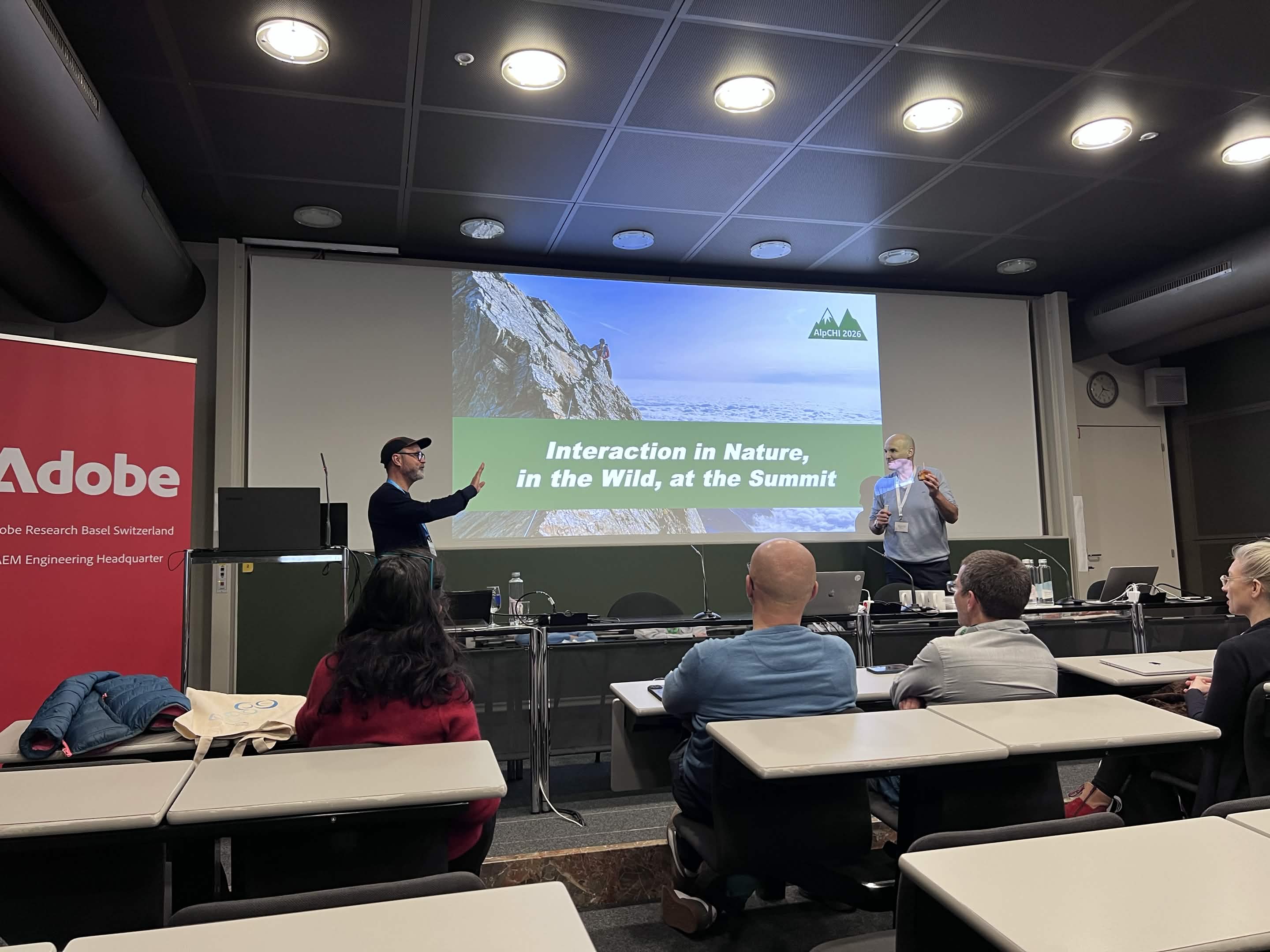
Inside AlpCHI 2026: discussion, reflection, and a fitting setting for rethinking the future of human-centered technology.
The Gen AI Crisis and the HCI Renaissance
Right now, humans are bending backward to accommodate the machine. To harness the power of AI, we are forcing ourselves to adapt to its logic—whether through CLI, rigid coding, prompt engineering, or exhausting context management. We are speaking “machine” just to be understood.
This is exactly the kind of alienation the MV pioneers fought against.
What Human-AI Interaction needs right now is a Renaissance of the human-centric spirit. AI must adapt to human cognitive patterns, not the other way around. The ideal paradigm should mimic natural human-to-human interaction, equipped with persistent memory, deep world knowledge, and seamless empathy.
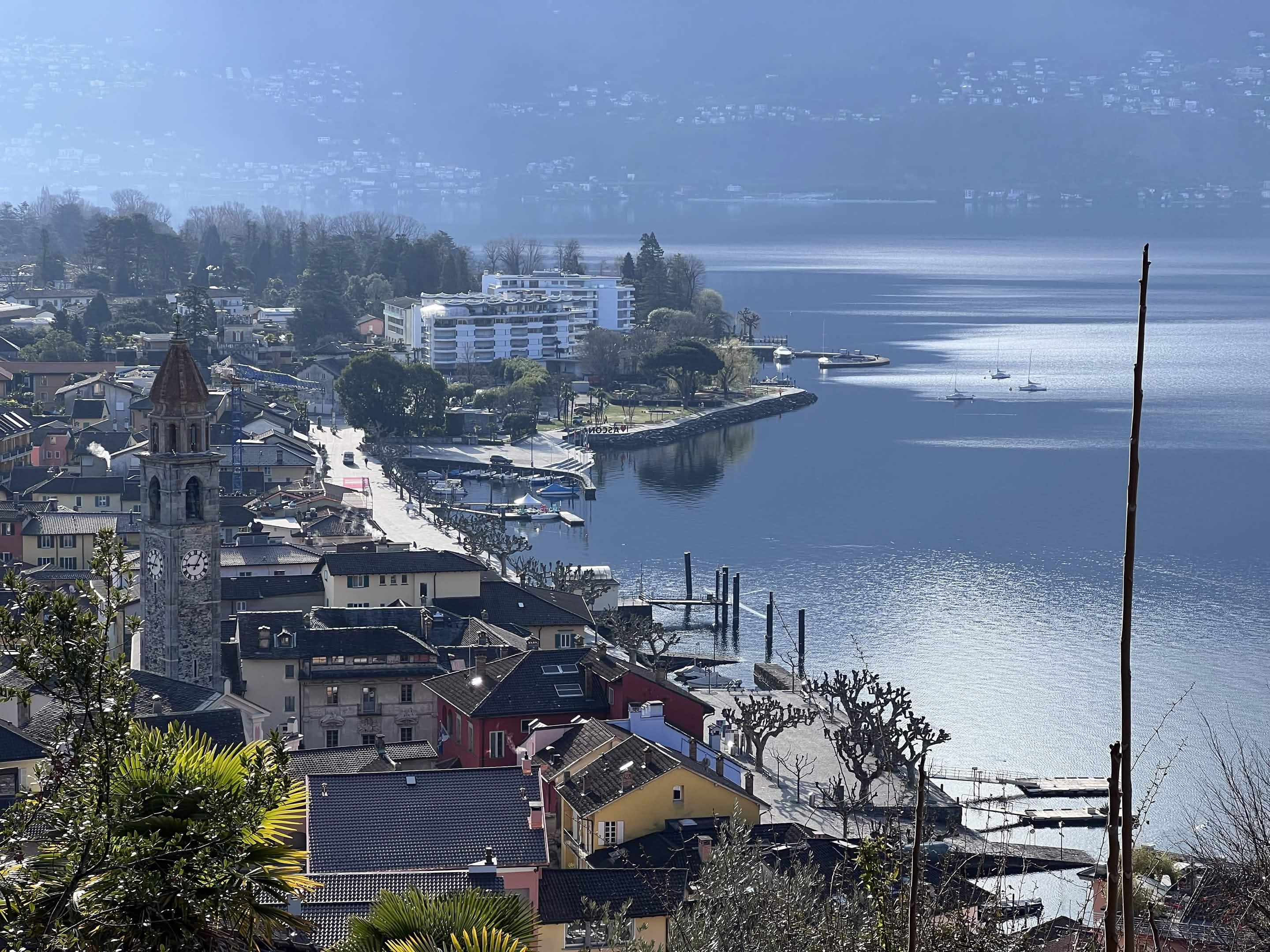
The landscape below Monte Verità felt like a quiet counterpoint to the intensity of current debates around AI, HCI, and XR.
Monte Verità’s century-old call for a human-centric existence echoes the absolute core philosophy of HCI. The organizers of AlpCHI made a brilliant, philosophically rich choice—though perhaps they could have broadcasted their profound intentions a bit louder to spare the hotel some unfair reviews! 💡
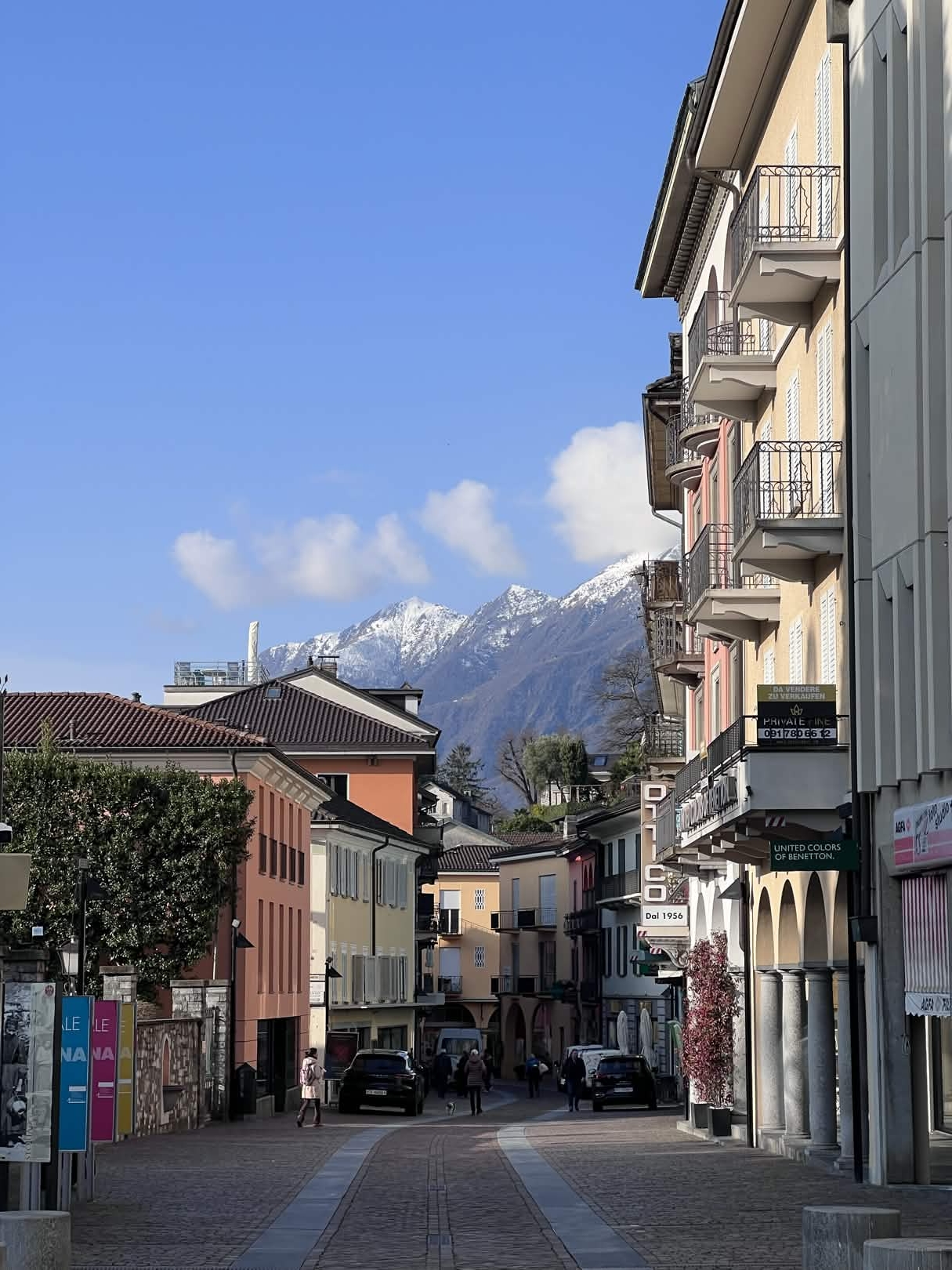
Ascona itself carried that same tension between everyday life and a larger philosophical horizon.
A massive thank you to the organizers for such a thought-provoking setting. We have a lot of work to do to ensure our digital future remains as human-centric as the pioneers on this mountain envisioned.