NeckErgonomics: Adapting Head Rotation in HMDs with Predicted Neck Muscle Activity
Published in ACM Symposium on Spatial User Interaction (SUI '26), 2026
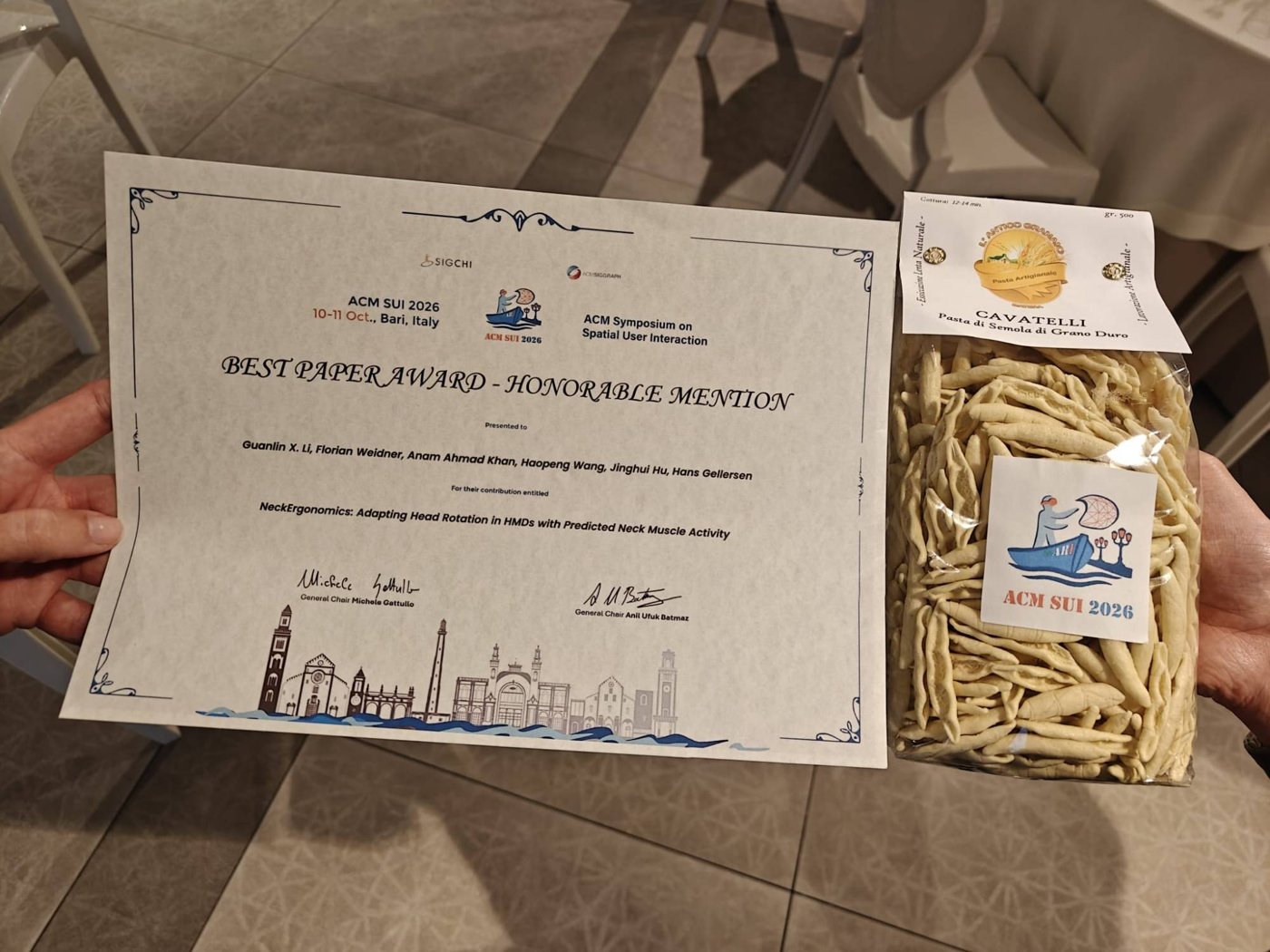
Best Paper Award – Honourable Mention, ACM SUI 2026
Abstract
Interaction with head-mounted displays (HMDs) places a significant workload on neck muscles, exacerbated by the extra weight of the HMD. This paper introduces NeckErgonomics, an interaction approach that adapts HMD interfaces according to estimated neck muscle electromyography (EMG) signals to improve neck ergonomics. A lightweight neural regression model predicts relative neck muscle activity from head yaw, head pitch, and fixation duration.
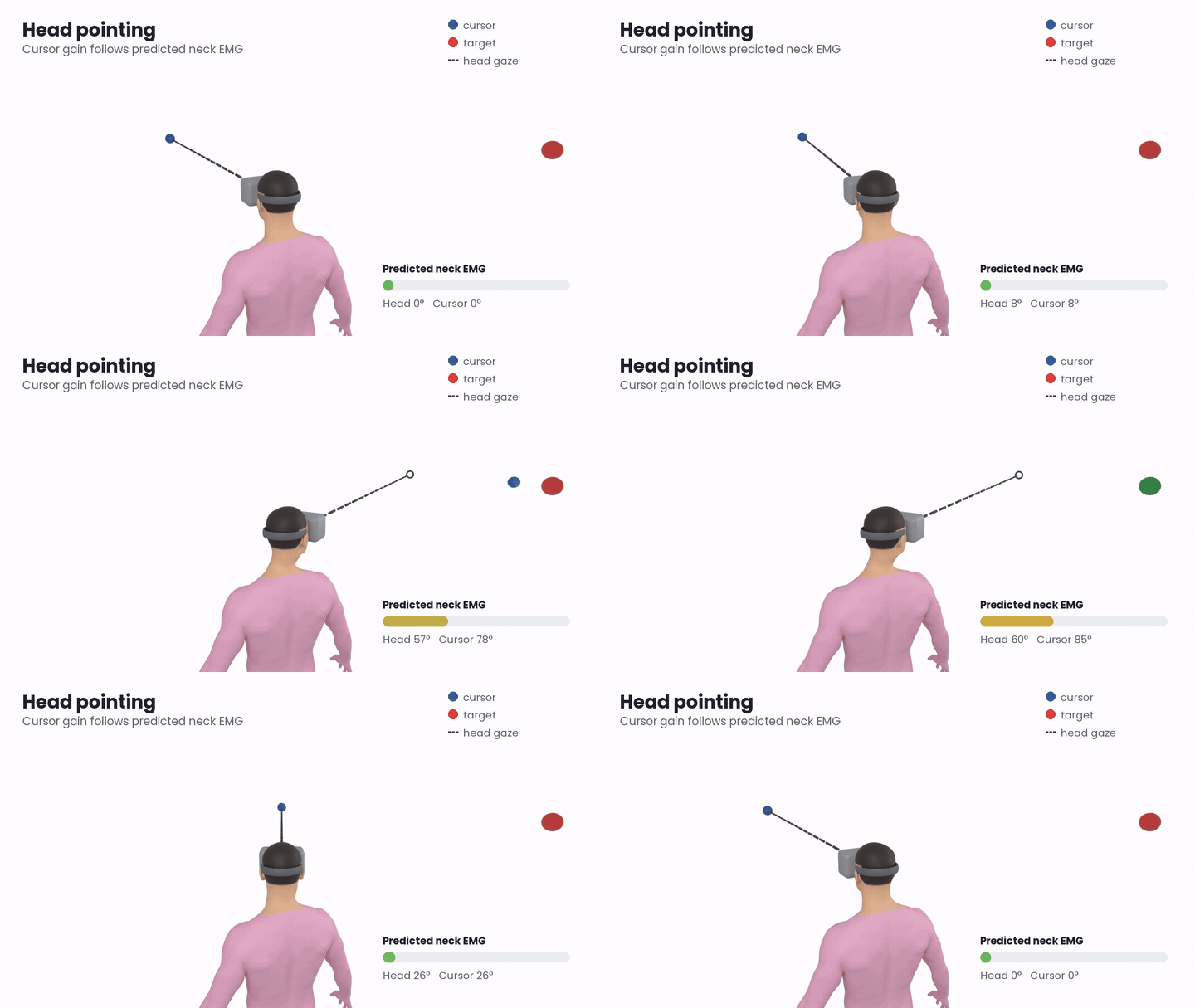
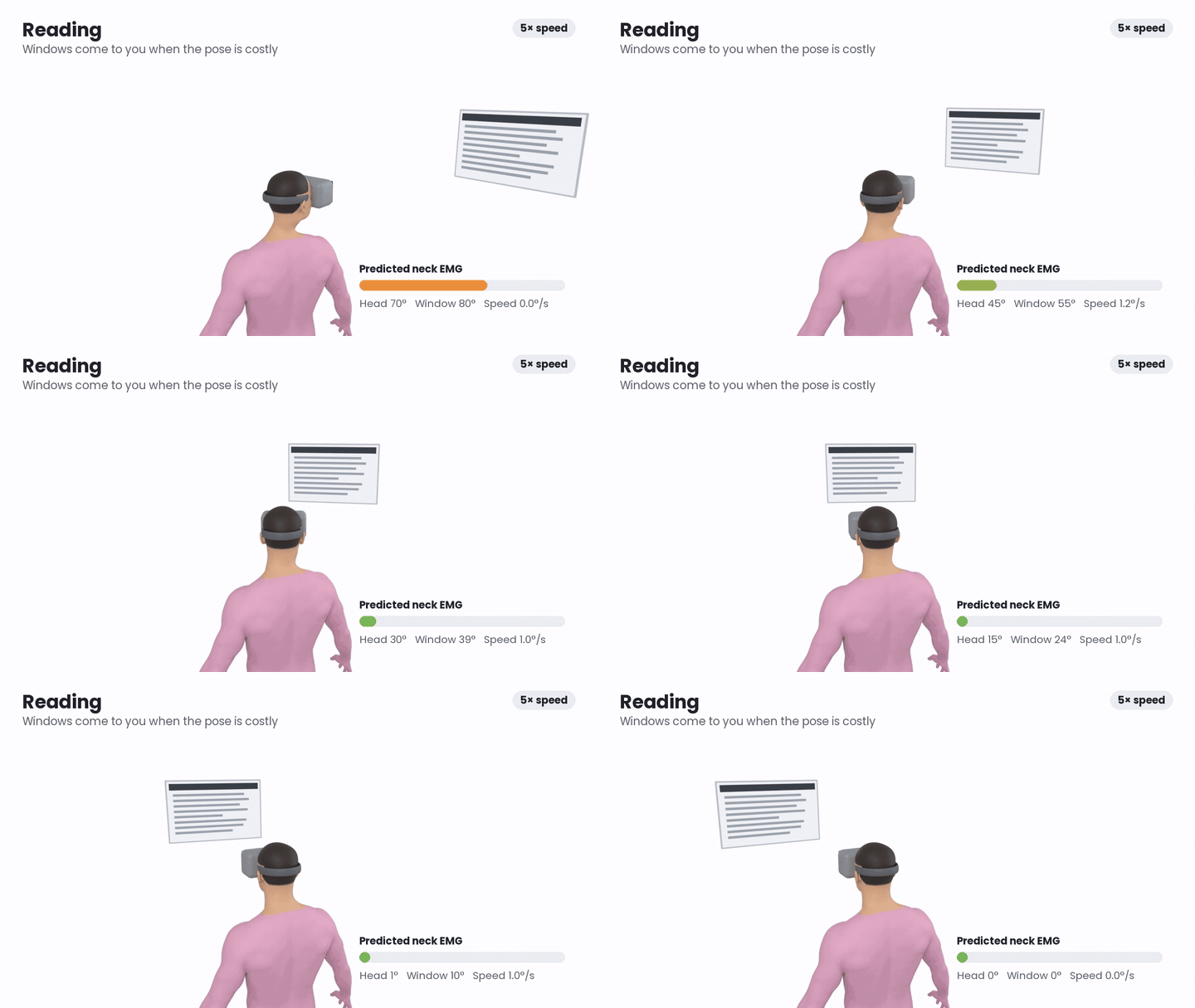
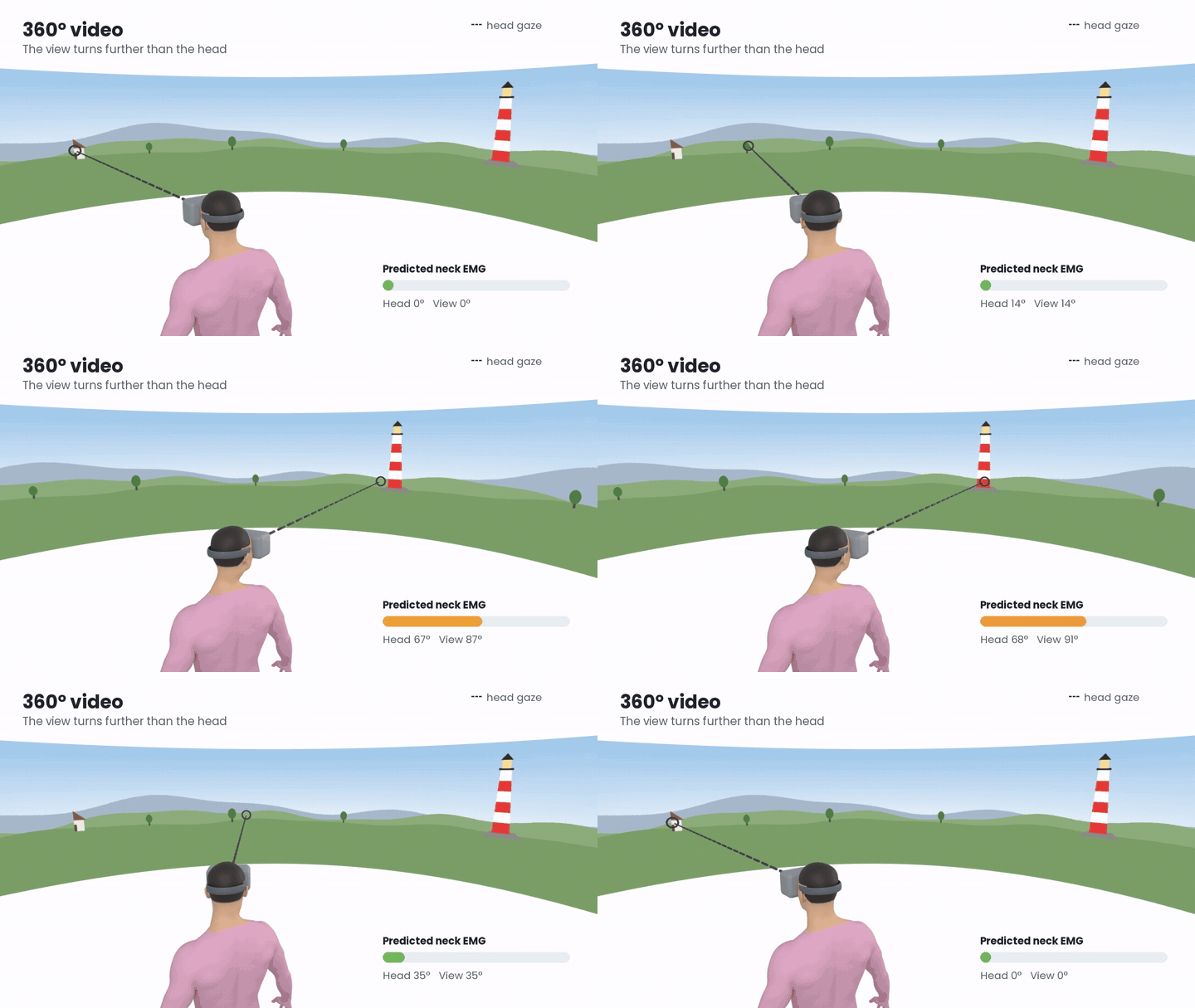
We demonstrate NeckErgonomics through three model-informed applications: control-display gain for head-based pointing, dynamic recentering of virtual windows during knowledge work, and adaptive viewport amplification for seated 360-degree video viewing. In a controlled within-subjects study with 18 participants, the applications reduced accumulated head movement, sustained head rotation, and perceived physical demand while revealing task-specific trade-offs involving speed, precision, visual stability, and sickness.
Award
NeckErgonomics received a Best Paper Award – Honourable Mention at ACM SUI 2026 in Bari, Italy.